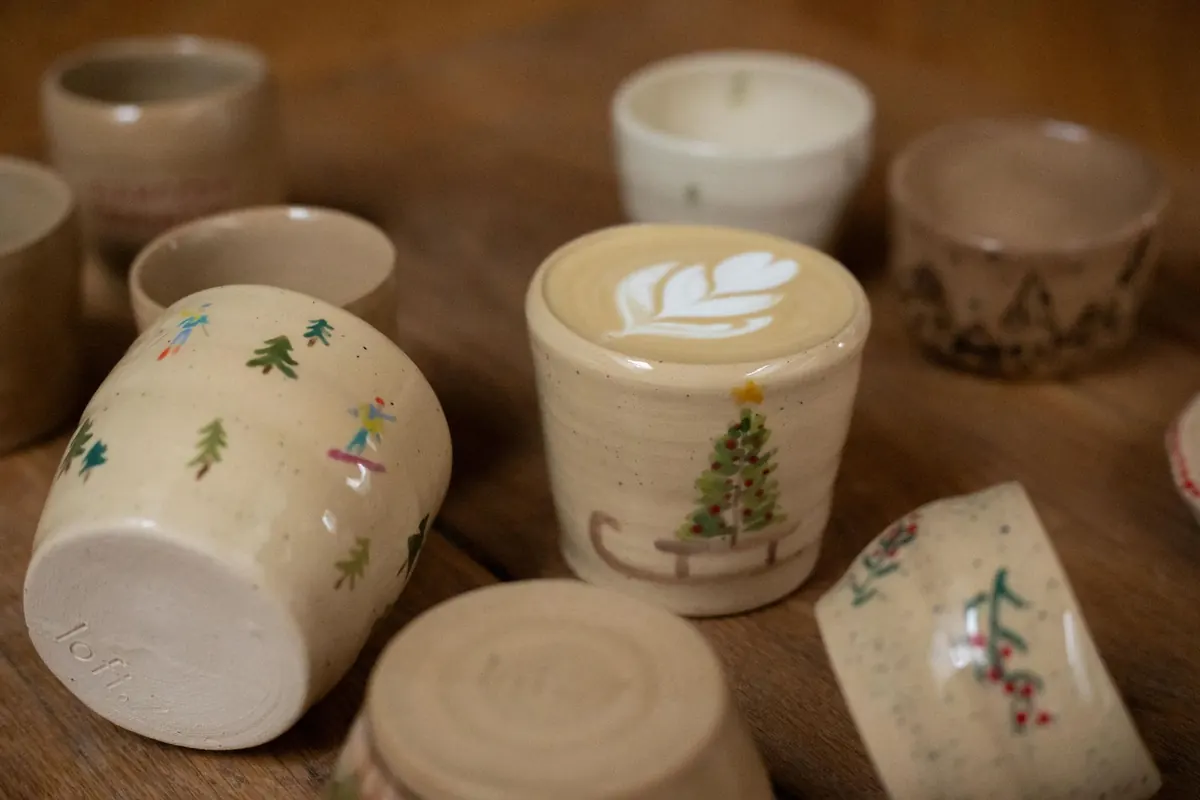
A pot comes out of the kiln, still warm enough to fog a window, and a customer picks it up. "How much?" Simple question. Complicated answer. You want the piece to sell, you want to be fair, and you want to be able to afford the next box of clay. Pricing is not a guess and it is not a verdict on your worth as a maker. It is arithmetic plus judgment. Here is a framework you can run on every piece you make.
Materials: Count Everything the Piece Touches
Most potters know what their clay and glaze cost. Far fewer count the rest, and the rest adds up quietly. A bowl is not just clay. It is clay, glaze, kiln wash, a shelf that will eventually warp, sandpaper, a box, a card, and a percentage of everything that cracked in the last firing.
Start with a list like this and fill in your own numbers:
- Clay, weighed before throwing — the trimmings came from the same bag
- Glaze materials, spread across the whole batch, including tests that went wrong
- Kiln wash, wadding, posts, and the eventual replacement of shelves
- Packaging: boxes, tissue, tape, labels, business cards
- A breakage allowance — five to ten percent is realistic for most studios
Suppose a three-pound bowl uses clay at roughly a dollar a pound. That is about three dollars. Glaze adds perhaps sixty cents. Packaging another dollar. Add ten percent for the pieces that die in the kiln, and you are close to six dollars in materials. If you were pricing from the three-dollar clay figure alone, you were already halving your costs.
Labor: The Number Almost Everyone Ignores
Your hands are the most expensive tool in the studio. Time the work honestly, in stages, and time it more than once — the first mug of a batch is always slower than the tenth.
Count throwing, trimming, handles, carving, decorating. Count loading and unloading the kiln, glazing, wiping feet, sanding bottoms. Count the hours that are not making at all: photographing, listing, replying to messages, packing orders, driving to markets, setting up a booth, sitting through a slow afternoon of sales. All of it is labor. All of it belongs in the price.
Then choose an hourly rate you would genuinely be satisfied earning. A reasonable starting point is the wage of a skilled trade in your area, adjusted for what your market will bear and how efficient you have become. Be honest here. If you set your rate at eight dollars an hour because that feels modest, you have built a studio that cannot grow, insure itself, or survive a slow season.
Overhead: The Costs That Don't Live on the Shelf
Overhead is everything you pay whether or not you sell a single cup. Studio rent or a share of your mortgage. Electricity, and the hard truth that a kiln firing is not free. Kiln elements and thermocouples. Insurance. Website hosting and payment processing. Booth fees and jury fees. Gas to the show. Tools that wear out. Subscriptions, classes, memberships, and the glaze chemistry book you finally bought.
Add up a year of those costs, then divide by the number of hours you actually spend producing and selling. If your studio overhead is nine thousand dollars a year and you work eighteen hundred productive hours, that is five dollars of overhead for every hour you touch clay. A mug that took forty-five minutes carries about three dollars and seventy-five cents of overhead before you add anything else.
Base Cost, Then Profit
Now assemble it. Base cost equals materials plus labor plus overhead. That number is the floor, not the price. You still need profit — money to reinvest in a second wheel, save for a slow January, and pay yourself something beyond the hours you logged.
- Materials for the piece
- Labor hours multiplied by your hourly rate
- Overhead hours multiplied by your overhead rate
- A profit margin on top — ten to twenty percent is a common starting place
For a mug: about $1.75 in materials, forty-five minutes at a chosen rate, roughly $3.75 in overhead, then profit. Run it and you may find the number lands higher than the twenty-two dollars you have been charging. That is not a mistake in the math. That is the math finally telling you the truth.
Wholesale and Retail Are Two Different Prices
Retail is what a customer pays you directly, at a market or online. Wholesale is what a shop pays to stock your work, and shops generally expect to buy at about half of retail so they can double it and cover their own costs. That means if a piece costs you thirty dollars to make with profit, it needs a retail price near sixty to be sold wholesale.
If the wholesale number does not clear your costs, you cannot wholesale that piece — not yet. Options include simplifying the form, producing in larger batches to cut labor hours, or staying in retail and consignment channels. Consignment usually works differently, with the shop taking a percentage, often in the range of thirty to forty percent, and paying you the rest after a sale. Read every agreement and know who carries the cost of breakage.
Signs You Are Underpriced
- You sell out at every market within the first hour
- You dread calculating what you made per hour at the end of a show
- You cannot afford to replace worn equipment from sales
- You quietly hope customers do not ask how long a piece took
- You have not changed a price in three years while clay, glaze, and shipping all have
Making It Work in Practice
Keep a simple costing sheet for your core forms — mug, bowl, plate, vase — and update it once a year. When costs rise, raise prices on new work first rather than repricing everything already on the shelf. Quote your price once, without apology or a nervous laugh, and let the work speak.
Adjusting prices upward is normal and customers expect it over time. Give shops advance notice, honor existing orders, and keep wholesale and retail pricing consistent so nobody feels undercut. Set aside a percentage of every sale for tax and for replacing equipment, and keep your receipts organized from the start. For anything involving self-employment tax, sales tax registration, or consignment contracts, a short conversation with an accountant or attorney is worth far more than the guesswork.
Pricing well is not greed. It is what lets you keep making pots in five years — and it is the quiet foundation of every good studio.
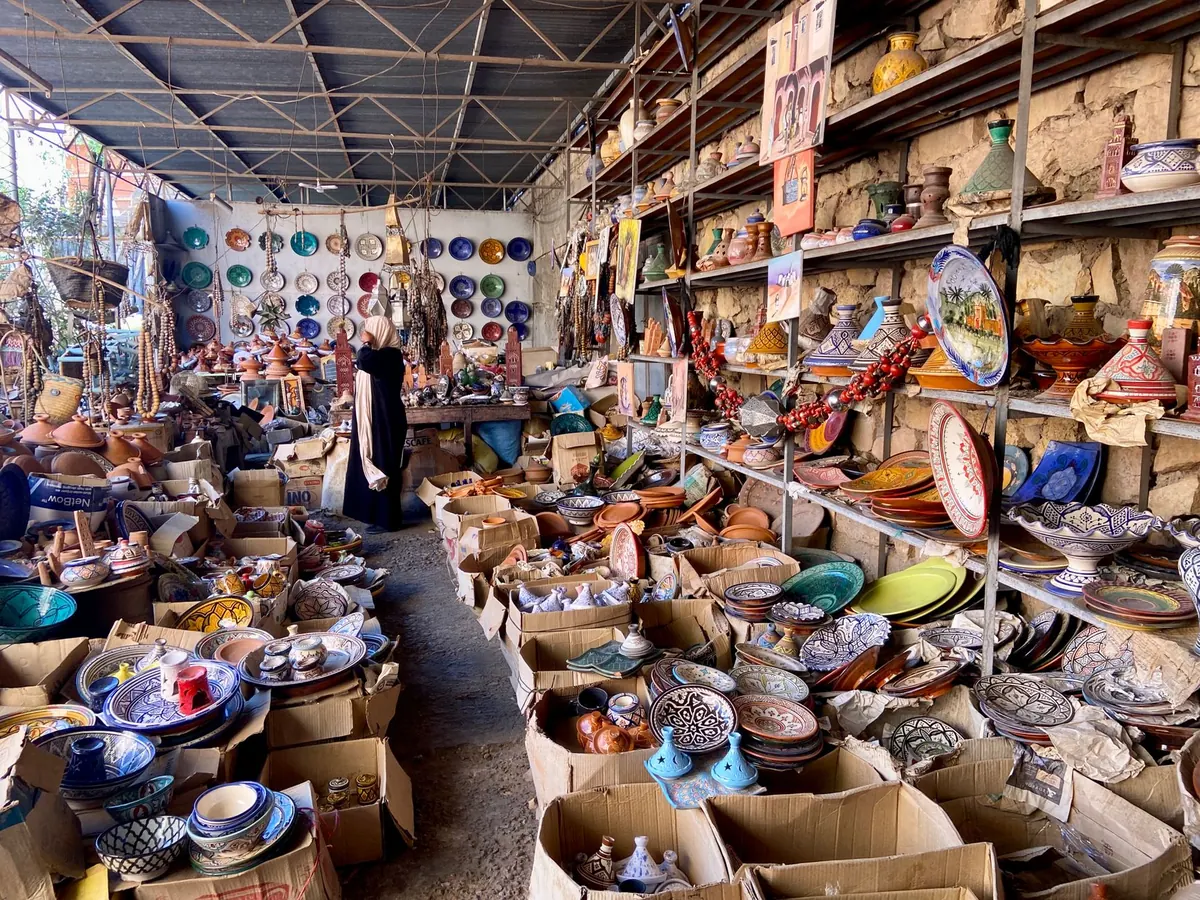
Photo: Abdel Achkouk / Pexels